Licensed General Contractor (License #635141)


Resources
Planning Your Project: Residential Construction Resources in Santa Cruz
Welcome to Dixon Construction’s dedicated hub for residential construction resources Santa Cruz homeowners can rely on for expert guidance. Whether you are planning a complete kitchen remodel, a bathroom update, or a major home addition, having access to the right information makes all the difference.
Navigating local building requirements, design trends, and construction timelines can feel overwhelming. That is why we have compiled a comprehensive selection of residential construction resources Santa Cruz residents need to turn their vision into reality. With over 35 years of hands-on experience serving the Santa Cruz County community, our licensed team is committed to delivering quality craftsmanship and transparent communication every step of the way.
Explore our guides to better understand the renovation process, from initial budgeting to finish carpentry. Ready to take the next step in your home improvement journey? Contact Dixon Construction today to discuss your project ideas and schedule a free consultation with our trusted local team.
Web Links
Use these links during your planning and research phase. The more information you have before you begin, the better prepared you will be for your project.
Check Contractor’s License
Planning and Permits
Financing Your Remodel
Design Ideas – Kitchen
Design Ideas – Bathroom
Design Ideas - Home
Do-It-Yourself Projects
Reference this page for links to projects you can complete yourself.
How to Mount a Ceiling Fan

How to Repair Drywall

How to Fix a Leaky Faucet
How to Wire a Light Switch

How to Fix a Running Toilet
Deck Safety
Is your deck safe? Many were built many years ago with substandard construction.
Is Your Deck Safe?
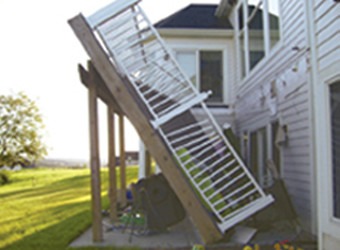
Is your deck safe? Many were built many years ago with substandard construction.
Industry standards specify a 10-15-year life expectancy for decks. This timeline assumes proper construction and the right materials. However, most will note that there are many decks still standing that are much older than 15 years.
Is yours one of them? “Since 1999, there have been more than 850 reported injuries and 20 deaths as a result of deck failures.” (Build a Safe Deck, strongtie.com).
Inspect your deck for the following problems:
Deck Boards and Underframing
Flashing
Loose or Corroded Fasteners
Railings
Stair
The Five Signs of a Failing Deck
01. Missing Connections
A deck should be built using a combination of wood, nails, screws, and metal connectors. Look at how your deck is built – if all you see are nails, your deck may be unsafe.
02. Loose Connections
Depending on how the deck was built, vital connections may have degraded over time due to various factors. Issues such as wobbly railings, loose stairs, and ledgers that appear to be pulling away from the home are all causes for concern.
03. Corrosion of Connectors and Fasteners
Metal connectors, nails, and screws can corrode over time. Look for rust and other signs of corrosion that can weaken the structure of your deck.
04. Rot
Wood can rot and degrade over time with exposure to the elements. Wood members within the deck frame that have rotted may no longer be able to perform the function for which they were installed, making your deck unstable.
05. Cracks
As wood ages, it is common for cracks to develop. Large cracks or excessive cracking overall can weaken your deck, making it susceptible to collapse.
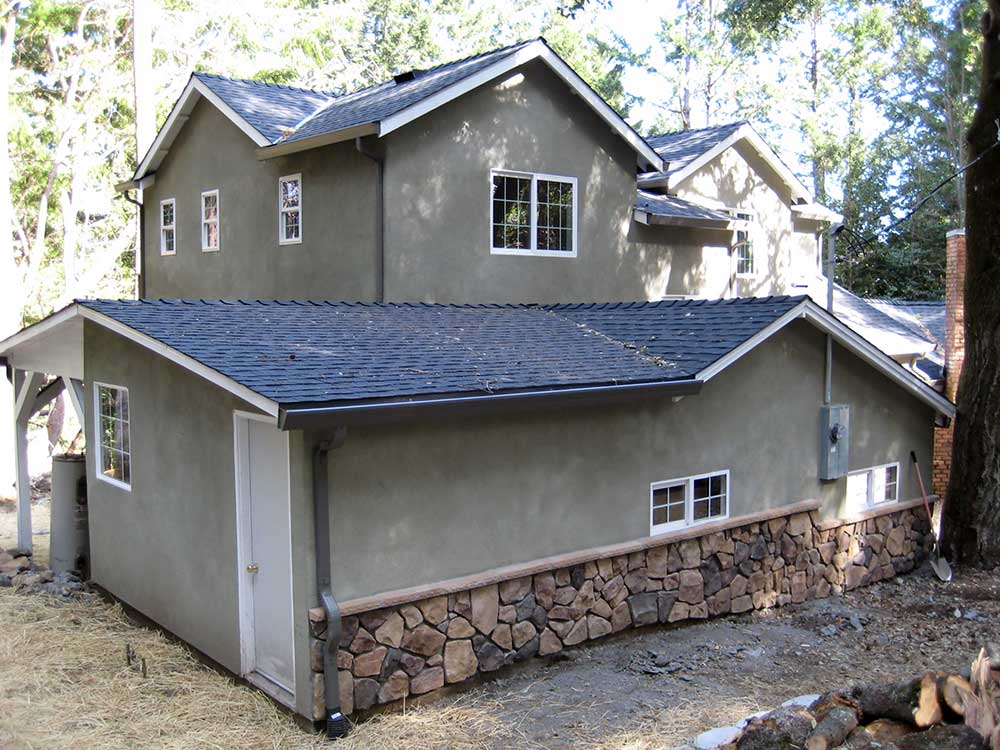
Why Hire a Licensed Contractor?
When considering a construction project, the first concern is usually cost. In an effort to save money, many consumers hire non-licensed contractors. You may be saving money, but you have opened yourself up to a huge financial liability.
“In California, anyone who contracts to perform work on a project that is valued at $500 or more for labor and materials must hold a current, valid license from the Contractors State License Board.” (What Kind of Contractor Do you Need?).
An unlicensed worker who is injured on your property can sue you for damages. Any damage to your property, such as fire, will be your responsibility and may pose problems with your insurance company. In addition, if the work is left incomplete or is faulty, you have no recourse and must pay for repairs yourself.
Some handymen have talked their customers into completing work without a permit, only to be caught by the local permit enforcement agency. The cost to comply with retro-permitting can be high and may require partial demolition in order for building inspectors to pass stages of the project. In some cases, the entire project may be halted, never to be completed, due to setbacks, zoning, etc. The effort to save money may have just cost the consumer more in the long run.
Many ask, “Why are licensed contractors more expensive than a handyman?” Below is a partial list of the elements that are required of a licensed contractor, making doing business more expensive for them:
So, the next time you are considering hiring a handyman for a job that should be handled by a licensed contractor, consider the above. For more information on hiring a licensed contractor, see the Contractors State License Board’s website.